
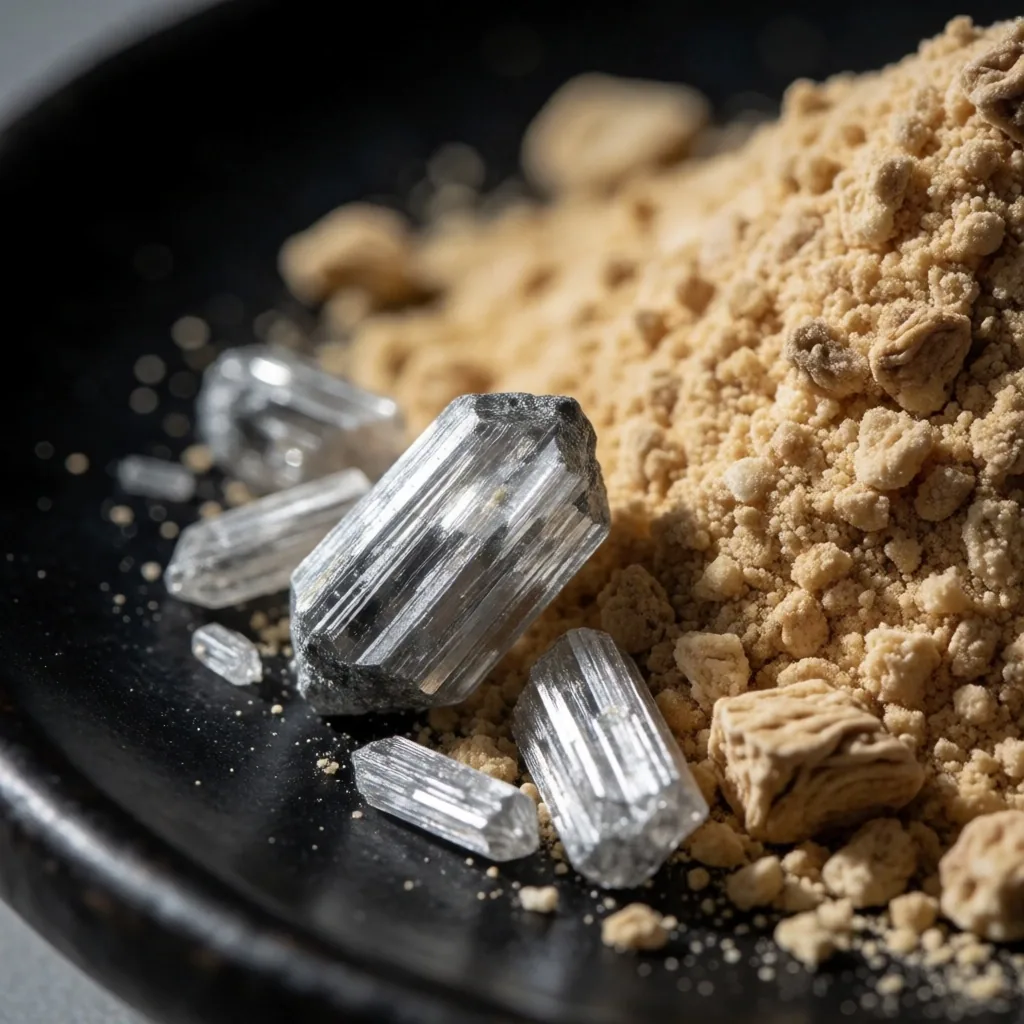
Our Quality Standards
At Nutrisi Pria, we believe that the quality of a supplement is non-negotiable. Our vetting process filters out products that use inferior ingredients, questionable fillers, or lack transparency in their manufacturing. We evaluate every botanical extract and vitamin complex against a strict set of criteria that prioritizes purity and biological activity — ensuring our readers in Indonesia have access to the most reliable nutritional information available.
Sourcing and Geographical Origin
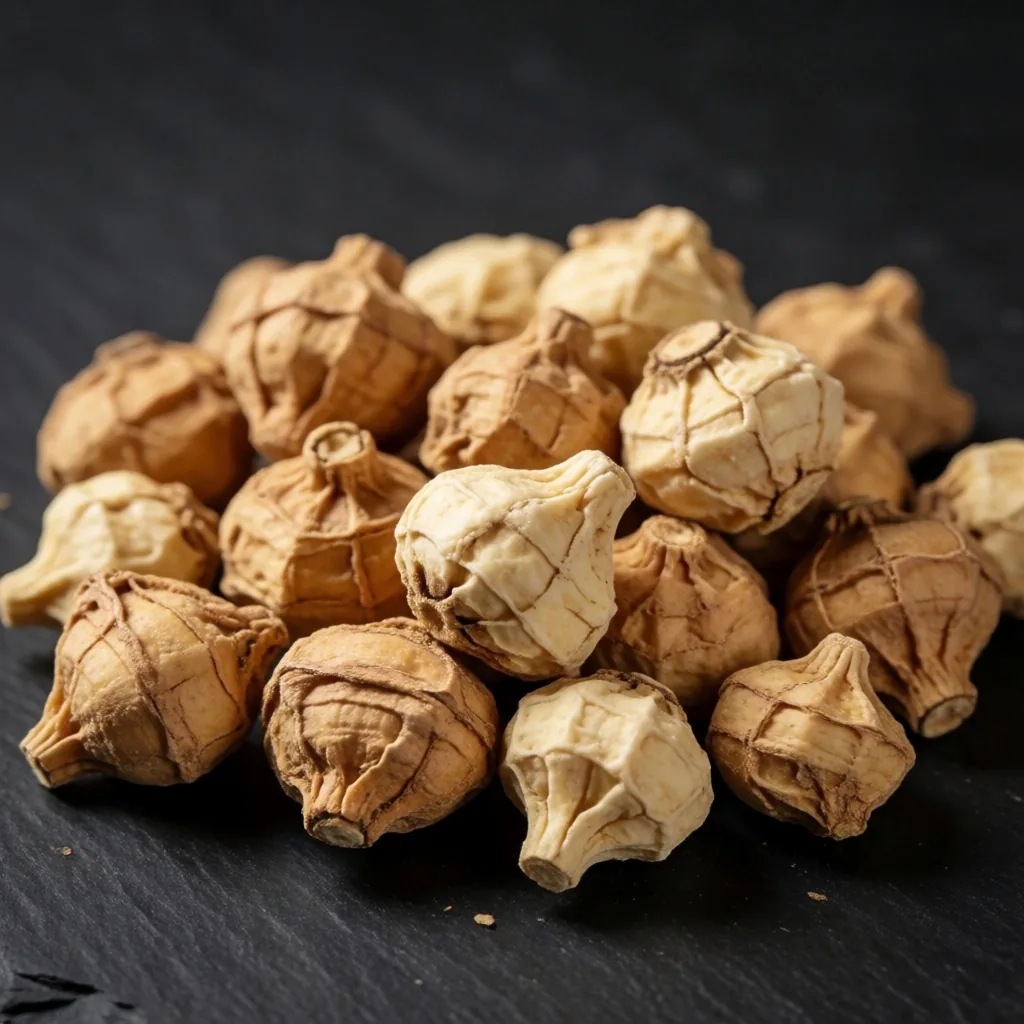
The quality of a botanical extract often begins with the soil in which the plant was grown. We prioritize products that source their ingredients from regions known for high-quality soil and traditional expertise — such as Maca from the Peruvian Andes or Ginseng from Korea.
Our vetting process looks for brands that can trace their raw materials back to the farm of origin. This level of detail ensures that the plants are harvested at the peak of their natural vitality, when the active compounds are most concentrated. Brands that cannot or will not disclose where their botanicals come from are immediately removed from consideration. We treat geographical transparency as the first and most basic filter — without it, every subsequent claim about quality becomes difficult to verify.
Extraction Methods and Potency
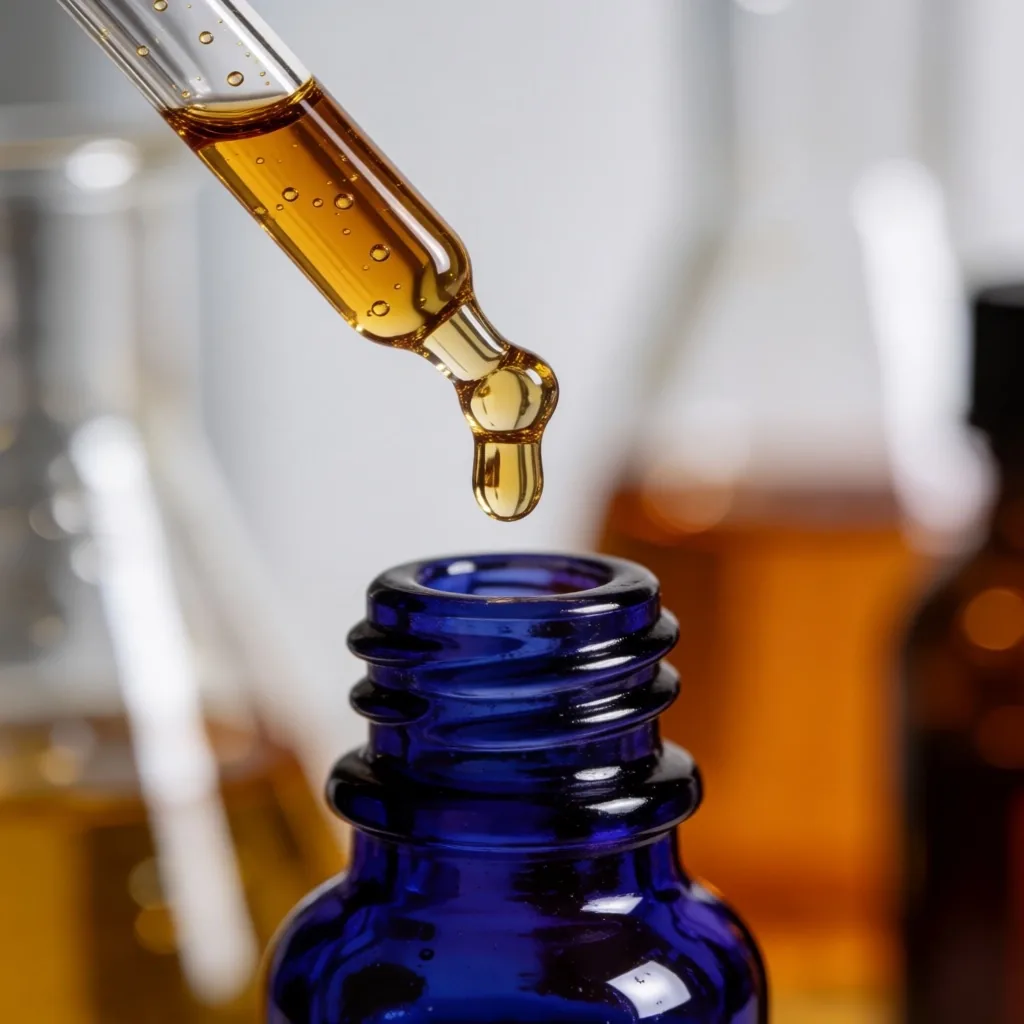
How a plant is turned into a supplement matters just as much as the plant itself. We favor extraction methods that preserve the delicate balance of active compounds without the use of harsh chemical solvents.
CO2 extraction and water-based methods are often preferred for their cleanliness and efficiency — they leave behind no solvent residues that could compromise the final product. We also look for standardized extracts that provide a consistent dose of the most beneficial parts of the plant, such as the roots or leaves. A standardized extract guarantees that every batch contains a verified percentage of the key active compound, so the product delivers the same experience from one bottle to the next. Brands that rely on unstandardized powders or proprietary blends without disclosing the concentration are flagged during our review.
Purity Testing for Contaminants
In an increasingly polluted world, verifying the absence of heavy metals, pesticides, and microbial contaminants is essential. We look for brands that conduct rigorous third-party testing on every batch of their products.
A Certificate of Analysis should be available to prove that the supplement is free from lead, mercury, and harmful bacteria. Our standards demand that safety is verified before efficacy is even considered.
- — Heavy metals screening: lead, mercury, arsenic, cadmium
- — Pesticide residue analysis for botanical-sourced ingredients
- — Microbial contamination panels including yeast and mold counts
The Absence of Unnecessary Fillers
Many mass-market supplements are filled with binders, artificial colors, and synthetic flow agents like Magnesium Stearate that offer no nutritional value. Our vetting process favors clean-label products that use minimal, natural excipients.
A supplement should be as close to its natural state as possible, avoiding ingredients that might cause digestive irritation or allergic reactions. This focus on purity is a hallmark of our quality standards.
- — No synthetic flow agents, artificial colors, or flavoring additives
- — Minimal natural excipients only where necessary for stability
- — Full excipient disclosure on the label — no proprietary blend hiding
Bioavailability and Nutrient Forms
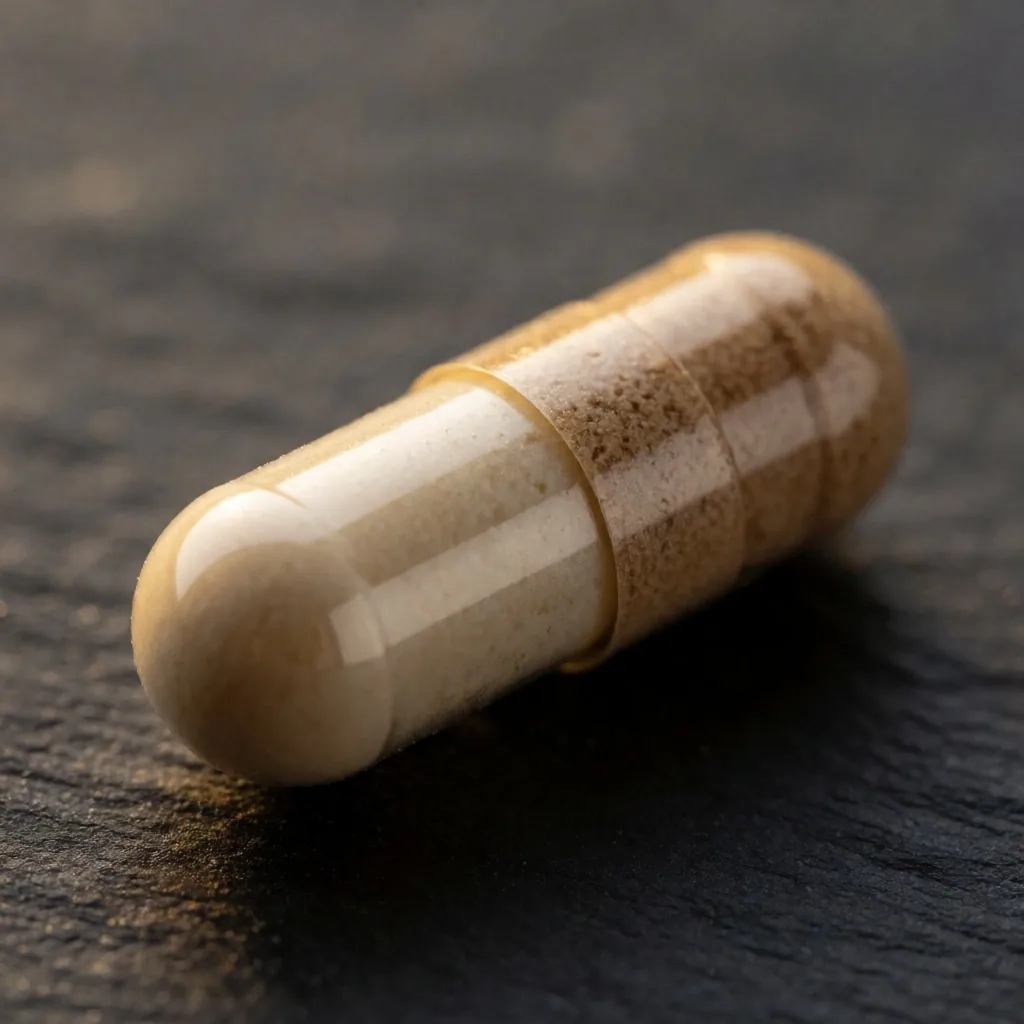
A high dose of a vitamin is useless if your body cannot absorb it. We evaluate the chemical form of each nutrient, such as choosing Methylcobalamin over Cyanocobalamin for Vitamin B12.
Our standards require that minerals be in highly absorbable forms like glycinates or citrates rather than cheap oxides. This technical scrutiny ensures that the supplements we discuss actually deliver the benefits they promise. The difference between a well-absorbed mineral form and a poorly absorbed one can be dramatic — a glycinate chelate is typically utilized far more efficiently than a oxide form, which often passes through the digestive system largely unabsorbed. We make this distinction clear in every product comparison we publish.
Vitamin B12
Methylcobalamin
Zinc
Glycinate or Citrate
Magnesium
Glycinate or Bisglycinate
Stability, Ethics, and Honest Claims
Stability and Shelf Life
Nutrients can degrade over time, especially in Indonesia's humid climate. We look for packaging that protects ingredients from light and moisture, such as amber glass bottles or airtight blister packs.
Our vetting includes an assessment of the stability testing conducted by the manufacturer to ensure the product remains potent until the expiration date. This ensures that you are getting the full value of every capsule you consume — not a degraded shadow of what the label promises. Heat and humidity are particularly aggressive in tropical climates, so brands that use moisture-resistant packaging and have real shelf-life data earn priority in our comparisons.
Ethical and Sustainable Production
Quality extends beyond the product itself to how it is made. We prefer companies that follow Good Manufacturing Practices and hold certifications for ethical sourcing, including fair trade practices and environmental sustainability in the harvesting of wild-harvested botanicals.
By supporting brands with high ethical standards, we promote a healthier industry for both consumers and the planet. GMP compliance tells us that the facility follows documented procedures for every step — from raw material intake to final packaging — and that those procedures are audited. When a brand also invests in fair trade relationships with growers, it signals a long-term commitment to the communities that cultivate these botanicals rather than a race to the lowest possible cost.
Transparency in Marketing Claims
We have a zero-tolerance policy for brands that make unsubstantiated claims or use pseudo-science to sell their products. Our standards require that all marketing be rooted in established nutritional science and traditional evidence.
We champion brands that educate their customers rather than those that use fear or hype to drive sales. This commitment to honest communication is the final pillar of our vetting process. If a brand claims its product cures, treats, or prevents any condition, it is disqualified immediately — not only because such claims violate Indonesian advertising standards, but because they erode the trust that our readers place in us.
The products discussed on Nutrisi Pria are intended as dietary supplements. They are not intended to diagnose, treat, cure, or prevent any condition. Consult a qualified professional before introducing new supplements into your routine, especially if you have existing health concerns or are taking other products.
Nutrisi Pria — Jl. Ahmad Yani No. 117, Ilir Barat I, Palembang, 30137
+62 711 364 703 · [email protected] · Mon–Fri 09:00–18:00