
Supplement Comparisons
Independent Supplement Comparisons and Reviews
Navigating the shelves of a health store in Indonesia can be a daunting task with hundreds of brands vying for your attention. Nutrisi Pria provides a structured way to compare natural supplements based on empirical data rather than marketing claims. We look at ingredient purity, the presence of fillers, the transparency of the manufacturer, and the feedback from the broader wellness community. Our comparisons are designed to highlight the differences between entry-level vitamins and premium botanical complexes, helping you get the best value for your investment in health.
What We Compare
A methodical look at what separates good supplements from expensive packaging
Our comparisons do not rank brands by popularity or marketing budget. We examine what the label actually tells you — the form of each nutrient, the concentration of active compounds in botanical extracts, whether a third-party laboratory has verified the contents, and how the format affects daily use. The result is a side-by-side picture that helps you decide which product fits your routine and budget, not which one has the loudest claims.
Ingredient Form
Whether a vitamin is synthetic or food-derived, and which form your body absorbs more readily.
Extraction Ratio
For botanicals, the difference between simple root powder and a standardized extract with a known concentration.
Delivery Format
How tablets, capsules, and liquids compare in absorption, convenience, and shelf stability.
Brand Transparency
Whether the company discloses every milligram or hides behind proprietary blend labels.
Comparison 01
Multivitamin vs. Targeted Complexes
Many men start with a generic multivitamin, but is a "one-size-fits-all" approach really the best? We compare the effectiveness of broad-spectrum multivitamins against targeted complexes that focus on specific goals like energy or recovery. This comparison looks at the dosages of key ingredients like Zinc and Vitamin B12 to see which products offer meaningful levels of nutrients. We help you decide if your lifestyle requires a precise approach or a general safety net.
| Attribute | Broad-Spectrum Multivitamin | Targeted Complex |
|---|---|---|
| Scope of Nutrients | Covers a wide range of essential vitamins and minerals in a single daily serving, functioning as a general nutritional safety net. | Focuses on a narrower set of nutrients selected for a specific goal — daily energy, physical recovery, or stamina support. |
| Zinc Inclusion | Typically included at a baseline daily value, sufficient for general maintenance but not calibrated for higher activity levels. | Often provides zinc in a specific form — such as gluconate or bisglycinate — at a level chosen for more demanding routines. |
| Vitamin B12 Dosage | Usually present at the recommended daily intake, adequate for most adults eating a varied diet. | Frequently includes higher B12 levels, sometimes in methylcobalamin form, aimed at supporting sustained energy output. |
| Best Suited For | Men with a generally balanced diet who want a straightforward daily top-up without managing multiple bottles. | Men with a specific wellness goal or a demanding physical routine who want nutrients aligned to that purpose. |
| Filler Load | Often requires more binders to compress many nutrients into a single tablet, which can dilute the active content. | Usually carries fewer excipients because the formula is smaller and more focused per capsule or serving. |
Dosage details vary by brand. Always read the supplement facts panel and consider your individual nutritional needs before choosing a format.

Extraction Source
Whole-food supplements derive nutrients from concentrated food sources, preserving natural co-factors.
Comparison 02
Synthetic vs. Food-Based Nutrients
The debate between synthetic vitamins and those derived from whole foods is central to the supplement industry. We compare the absorption rates and biological activity of these two formats. Food-based supplements often contain natural co-factors that aid digestion, whereas synthetic versions can be more concentrated. Our breakdown helps you understand the trade-offs in cost and efficacy, ensuring you choose the product that aligns with your body's needs.
Food-Based Format
Nutrients extracted from concentrated foods — yeast, algae, fruits — carrying enzymes and co-factors that may support gentler digestion and natural absorption patterns.
Synthetic Format
Isolated nutrients produced in a laboratory at high purity. Often more concentrated and more affordable, but lacks the companion compounds found in food-derived sources.
What We Look For
Which form of each vitamin is used — for example, methylcobalamin versus cyanocobalamin for B12 — and whether the label discloses the source clearly enough for you to make an informed choice.
Comparison 03
Capsule, Tablet, or Liquid: Which is Best?
The delivery format of a supplement can significantly impact how much of the active ingredient actually enters your bloodstream. Tablets are often more affordable but may contain more binders, while liquid supplements offer fast absorption but have a shorter shelf life. We compare these formats across several popular brands available in Indonesia. This section provides a practical look at how your choice of delivery system affects your daily supplement experience.
Tablet
The most common and most affordable format. Compressed powder holds more active ingredient per unit but requires binders that slow dissolution in the stomach.
- Cost
- Lower
- Absorption Speed
- Moderate
- Binder Load
- Higher
- Shelf Life
- Long
Capsule
A gelatin or vegetable shell enclosing powder or oil. Fewer binders than tablets, easier to swallow, and protects sensitive oils from oxidation before consumption.
- Cost
- Mid-range
- Absorption Speed
- Faster
- Binder Load
- Lower
- Shelf Life
- Medium
Liquid
Nutrients suspended in a solution. No binders to break down, fastest absorption, but shorter shelf life and more careful storage requirements.
- Cost
- Higher
- Absorption Speed
- Fastest
- Binder Load
- None
- Shelf Life
- Short
Capsule shells may be gelatin-based or vegetarian. If you avoid animal products, check the label for a cellulose or HPMC capsule alternative.
Comparison 04
Comparing Botanical Extract Potency

Not all Ginseng or Maca supplements are created equal; the method of extraction determines the final potency. We compare products that use simple root powder versus those that use standardized extracts (e.g., 10:1 or 20:1 ratios). By looking at the concentration of active compounds like macamides or ginsenosides, we provide a clear picture of which brands offer true value. This comparison is vital for anyone using herbal extracts for specific wellness goals.
Root Powder
Base LevelGround whole root, containing the full spectrum of the plant but at its naturally low concentration. You need a larger serving to reach the same level of active compounds.
Standardized Extract
ConcentratedA ratio like 10:1 means ten kilograms of raw root were concentrated into one kilogram of finished extract. The active compounds — ginsenosides, macamides — are present at a known, verifiable level.
When a label reads "1000mg Maca" without specifying extract ratio, that is almost always root powder. A label that reads "100mg Maca Extract (10:1)" delivers a comparable level of active compounds in a much smaller, more precise serving. Always look for the ratio or the percentage of the named active compound.
Comparison 05
Price per Serving and Long-term Value
A cheap bottle of vitamins might end up being more expensive if the serving size is large or the absorption is poor. We calculate the cost-per-day for various popular supplements in the Indonesian market. This transparency allows you to see past the initial price tag and understand the long-term investment required for each product. We focus on finding the sweet spot where high quality meets reasonable pricing.
Pricing Factor
Budget Option
Value Sweet Spot
Premium Option
We do not publish exact prices because they fluctuate across Indonesian retailers and import costs. We compare relative cost-per-day based on label serving sizes and extraction ratios.
Comparison 06
Transparency and Third-Party Testing
One of the most important factors in our comparisons is the transparency of the brand. We give higher marks to companies that provide Certificates of Analysis and utilize third-party labs to verify their ingredients. In a market where "proprietary blends" can hide low-quality fillers, we champion those who disclose every milligram. This comparison category is about safety and trust, ensuring you know exactly what you are consuming.
What We Look For on the Label
-
Full Ingredient Disclosure
Every milligram accounted for — no "proprietary blend" labels that hide the proportion of each compound in the mix.
-
Certificate of Analysis Available
A document from an independent laboratory confirming that what is in the bottle matches what is on the label.
-
Named Extract Standardization
Botanical extracts identified by ratio and active compound — for example, "Ginseng Extract 20:1, 5% ginsenosides" rather than just "Ginseng 500mg."
-
Specific Nutrient Forms Listed
The chemical form of each vitamin or mineral named — magnesium bisglycinate versus magnesium oxide, for instance — not hidden behind a generic label.
-
Clear Sourcing Information
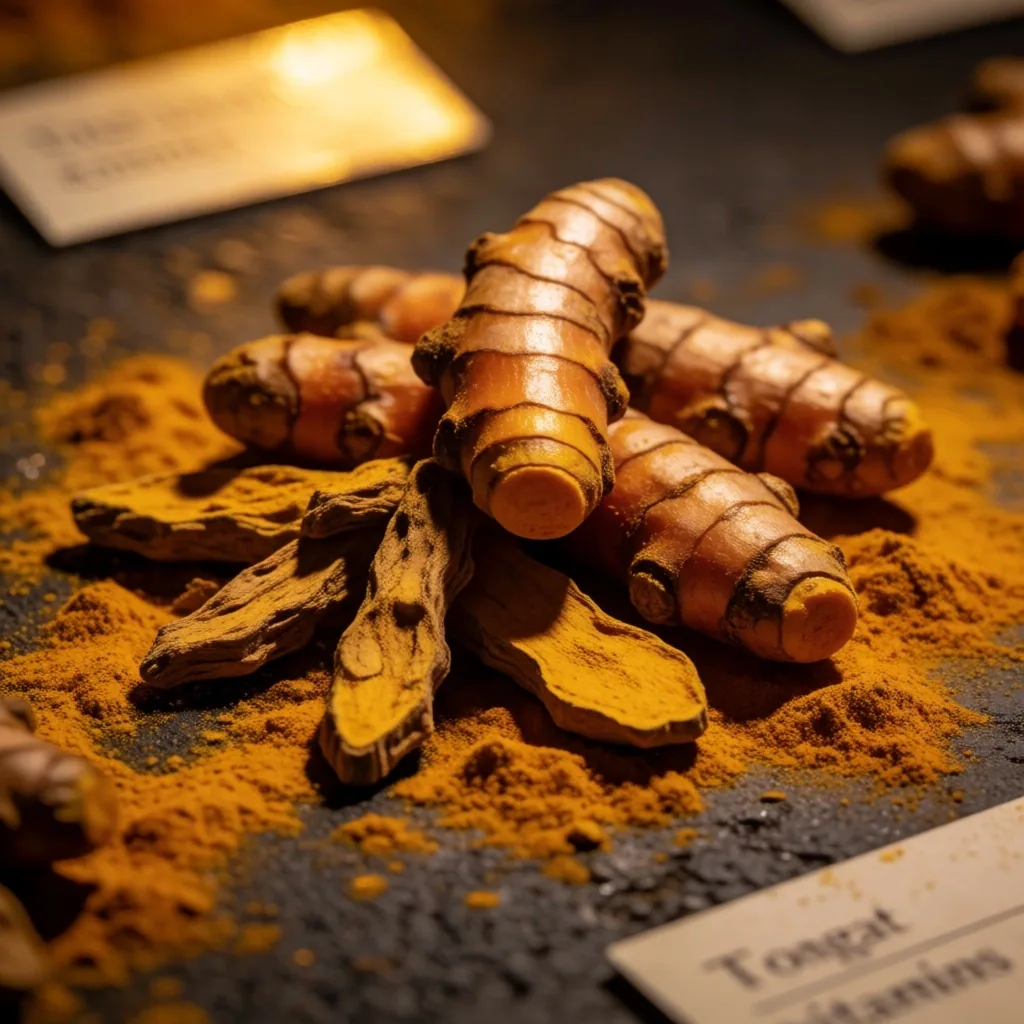
Where the raw botanical was grown or harvested, especially for regional Indonesian plants like Curcuma or Tongkat Ali, where origin affects quality.
Comparison 07
Local Indonesian Brands vs. International Imports
Indonesia has a growing wellness industry with several local brands offering high-quality botanical products. We compare these local options against well-known international imports in terms of availability, price, and ingredient sourcing. Often, local brands provide fresher extracts of regional plants like Curcuma or Tongkat Ali. Our goal is to provide a balanced view that supports both local innovation and global standards.
Local Advantage
Fresher regional botanicals, shorter supply chains, and prices that reflect local production rather than import overhead.
Import Advantage
Established third-party testing infrastructure and standardized extract protocols developed over longer market presence.

Comparison 08
User Feedback and Community Reputation
While we rely on data, the experiences of other men provide valuable context for how a supplement performs in the real world. We aggregate feedback regarding taste, ease of swallowing, and any reported digestive issues. This qualitative data complements our technical analysis to provide a well-rounded review of each product. We look for patterns in user reviews to identify brands that consistently deliver on their promises.
Taste Profile
Liquid and powder supplements vary widely. Some botanical extracts carry a naturally bitter or earthy taste that signals genuine potency, while overly sweetened options may mask a diluted formula.
Ease of Swallowing
Tablet size and capsule coating matter for daily consistency. We note when a brand offers smaller capsules or a liquid alternative for men who struggle with large tablets.
Digestive Comfort
Food-based formats tend to sit more gently, while high-potency synthetic formulas on an empty stomach can cause discomfort. We track which brands recommend taking with food and how consistently that works.
A single negative review does not disqualify a product, just as a single positive one does not earn a recommendation. We look for consistent patterns across many users before adjusting our assessment of a brand's reliability.
Continue Comparing
Find the formula that fits your routine
Our comparisons cover ingredient transparency, format, potency, and real-world feedback — but the final choice depends on your goals, your budget, and how a product fits into your daily schedule. Use the resources below to narrow your options or reach out if you need guidance.
Office
Jl. Ahmad Yani No. 117
Ilir Barat I, Palembang
30137, Indonesia
Contact
Hours
Monday to Friday
09:00 — 18:00 WIB
Nutrisi Pria — Independent supplement analysis for the Indonesian market.